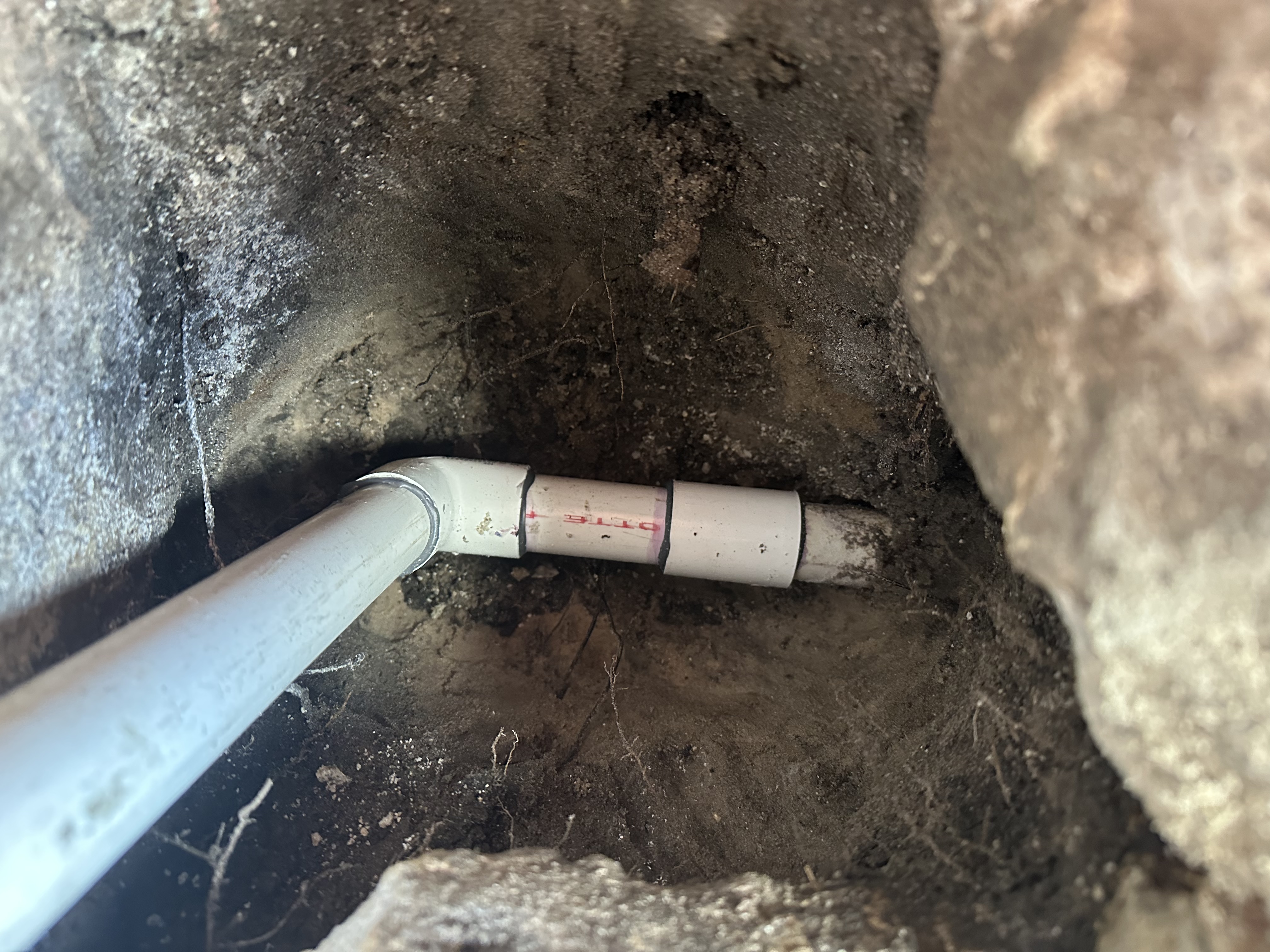
Why Tree Roots and Sewer Lines Do Not Get Along
Trees and sewer lines exist in the same underground space, and they are on a collision course by nature. Tree roots are constantly searching for water and nutrients, and your sewer line happens to provide both in abundance.
Even well maintained sewer pipes develop tiny cracks and loose joints over time. Roots can sense the moisture escaping from these imperfections and grow directly toward the source. Once a single root fiber enters the pipe, it expands rapidly inside the warm, nutrient rich environment. Given enough time, roots can completely block the line, crack the pipe walls, or cause a total collapse.
In West Palm Beach and Palm Beach County, the warm climate and year round growing season mean that roots are far more aggressive here than in colder regions. Understanding how this process works is the first step in protecting your plumbing.
Which Trees Are the Worst for Sewer Lines?
Not all trees pose the same level of threat. Some species have particularly aggressive root systems that spread wide and deep in search of water. If any of the following trees are planted near your sewer line, you may be at higher risk for root intrusion.
-
Ficus Trees. Ficus species are extremely common in South Florida landscaping. Their root systems are notoriously aggressive and can travel long distances to reach moisture sources. Ficus roots are one of the top causes of sewer line damage we see in West Palm Beach.
-
Willow Trees. Willows are drawn to water more than almost any other tree. Their roots can extend two to three times the width of the tree canopy, making them a major threat to nearby sewer lines.
-
Oak Trees. While beautiful and iconic in Florida landscapes, mature live oaks develop expansive root systems that can wrap around and crush sewer pipes.
-
Banyan and Strangler Fig. These tropical species produce aerial roots that become dense underground networks. They are especially destructive to infrastructure near the surface.
-
Silver Maple. Though less common in South Florida, silver maples have shallow, fast growing roots that frequently interfere with underground pipes and foundations.
General rule: Any large tree planted within 10 to 15 feet of your sewer line has the potential to cause problems. When planting new trees, choose species with less aggressive root systems and maintain a safe distance from all underground utilities.
Warning Signs That Roots Have Invaded Your Sewer Line
Root intrusion does not happen overnight. It is a gradual process, and your plumbing will usually give you several warning signs before a full blockage occurs.
Slow Drains Throughout the House
If multiple fixtures in your home are draining slowly at the same time, the problem is likely in the main sewer line rather than individual drain branches. Roots create partial blockages that let some water through but significantly reduce flow.
Gurgling Sounds
When you flush the toilet or drain the bathtub, listen for gurgling sounds coming from other fixtures. This indicates that air is being trapped in the sewer line because roots are obstructing the normal flow of water and waste.
Frequent Backups
If your toilets or floor drains are backing up repeatedly despite professional drain cleaning, roots are a likely culprit. Standard drain snaking may temporarily clear a path, but the roots will grow back within weeks or months unless the underlying issue is addressed.
Sinkholes or Soft Spots in the Yard
A leaking sewer pipe saturates the surrounding soil. Over time, this can cause the ground above the pipe to sink or become noticeably soft. If you see unexplained dips in your yard, especially along the path between your house and the street, a damaged sewer line may be the cause.
Sewage Odors
A sewer line compromised by roots may allow sewer gas to escape through cracks in the pipe. If you notice a persistent rotten egg smell in your yard or near floor drains inside your home, it could indicate a breach in the line.
How We Address Root Intrusion in Sewer Lines
At Integrity Plumbing and Drain, we take a systematic approach to diagnosing and resolving root problems in sewer lines.
Video Camera Inspection
We start with a high definition sewer camera inspection to see exactly what is happening inside the line. The camera reveals the location and severity of root intrusion, as well as any other damage the roots may have caused to the pipe walls.
Hydro Jetting and Drain Cleaning
For moderate root intrusion where the pipe is still structurally sound, hydro jetting uses high pressure water to cut through roots and clear the line completely. Unlike standard snaking, hydro jetting removes the roots from the pipe walls rather than just poking a hole through the blockage. Learn more about our drain cleaning methods to see which approach works best for your situation.
Sewer Line Repair or Replacement
If roots have caused significant structural damage to the pipe, a targeted repair or complete line replacement may be necessary. Our sewer line repair services cover everything from spot repairs to full line replacements. We discuss all options with you, including costs and timelines, before any work begins.
How to Prevent Root Damage to Your Sewer Line
Prevention is always more affordable than emergency repairs. Here are steps you can take to reduce the risk of root intrusion.
- Know where your sewer line runs. Request a utility locate or ask us to camera your line so you know the exact path.
- Plant trees at a safe distance. Keep large trees at least 10 to 15 feet from the sewer line.
- Schedule regular camera inspections. An annual video inspection can catch root intrusion early before it causes blockages.
- Consider root barriers. Physical or chemical root barriers can be installed along the sewer line to discourage root growth in that direction.
Final Thoughts
Tree roots in your sewer line are not a problem that solves itself. Left untreated, a minor intrusion becomes a major blockage, and eventually a collapsed pipe that requires a full replacement.
If you are experiencing slow drains, recurring backups, or sewage odors in your West Palm Beach home, the team at Integrity Plumbing and Drain can diagnose the problem with a video camera inspection and give you clear, honest options for repair. Call us at 561-310-6435 to schedule an inspection today. If you suspect the damage has progressed further, read our guide on the signs of a collapsed sewer line and what to do next.